Ceylon Black Tea: Regions, Grades and History
By Anton Fernando · Updated 2026-09-28
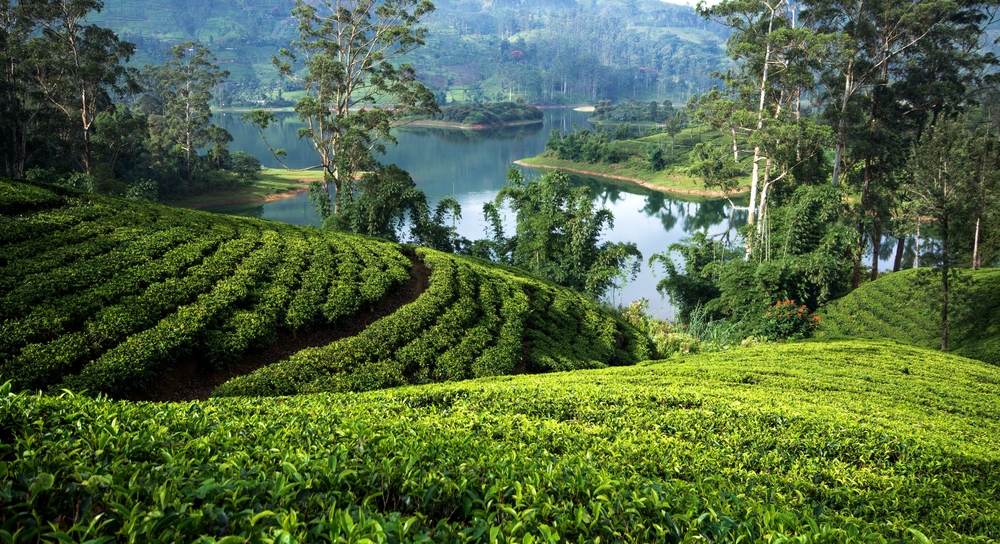
Tea Plantation in Maskeliya, Sri Lanka
This guide explains how Ceylon black tea took root in Sri Lanka, how the island’s seven growing regions shape flavour, and what grades such as OP and BOP mean on the packet. You will also find practical brewing notes and which TEA TOP loose leaf teas map to each district. To buy, start with our Black Tea collection or browse Ceylon tea by style.
The Origin of Ceylon Black Tea
The story of Ceylon black tea began in the mid-19th century when a devastating coffee blight struck Sri Lanka's plantations. Planters turned to tea as an alternative. In 1867, Scottish planter James Taylor established the first commercial tea plantation at Loolecondera estate near Kandy, laying the foundation for Sri Lanka's transformation into one of the world's leading tea producers.
The Unique Tea Regions of Sri Lanka
Sri Lanka's diverse climate and topography give rise to seven distinct tea-growing regions, each imparting unique characteristics to the teas they produce. For regional blacks you can shop today, see our Ceylon Black Tea page.

Located at the highest elevations, around 1,800 to 2,200 metres above sea level, Nuwara Eliya is known as the "Champagne of Ceylon teas." The cool, misty climate produces light, delicate teas with a golden hue and subtle floral notes reminiscent of cypress and mint. These teas are perfect for those who appreciate a refined and refreshing cup.
Situated between 1,100 and 1,700 metres in the western highlands, Dimbula's teas are influenced by the seasonal monsoons. The result is a mellow brew with a bright amber colour and a gentle, rounded flavour. Dimbula teas often have a hint of citrus and are well-suited for afternoon tea.
From this region at TEA TOP: English Breakfast Tea (Dimbula black, FBOP grade).
Nestled between Nuwara Eliya and Uva at elevations of 1,100 to 1,700 metres, Uda Pussellawa produces teas that are slightly darker than those from Nuwara Eliya. The teas have a rosy hue with subtle floral notes and a hint of fruitiness, offering a delicate and mellow cup ideal for leisurely sipping.
Located on the eastern slopes at elevations of 900 to 1,500 metres, Uva's teas are renowned for their distinctive flavour. The unique climatic conditions produce teas with a pronounced aroma and hints of wood and honey. Uva teas have a crisp, clean taste and are often used in classic blends.
From this region at TEA TOP: Ceylon Earl Grey, Ceylon Afternoon and Ceylon Supreme.
As one of the oldest tea-growing regions, Kandy is situated at mid-elevations of 600 to 1,200 metres. The teas from this region are full-bodied and brisk, with a deep coppery colour. Kandy teas have a strong flavour, making them suitable for those who enjoy a robust cup that can be taken with or without milk.
From this region at TEA TOP: Ceylon Gold.
Located in the southern lowlands below 600 metres, Ruhuna benefits from a warm climate and rich soils. Teas from Ruhuna are known for their dark, intense liquor and full-bodied, earthy flavours with a hint of spice. They are perfect for those who prefer a hearty brew that stands up well to milk and sweeteners.
From this region at TEA TOP: Ocean Breeze and Royal Indulgence.
Positioned between the central mountains and southern plains at elevations of 600 to 900 metres, Sabaragamuwa produces teas with a rich reddish-brown infusion. The teas are smooth and medium-bodied, offering a balanced flavour with notes of caramel and a slight sweetness. They are versatile and can be enjoyed throughout the day.
From this region at TEA TOP: Orange Pekoe Tea (Pettiagalla Estate, Balangoda).
Understanding the Ceylon Black Tea Grading System
Ceylon black tea is graded based on the size and appearance of the processed leaves, which can influence the flavour and strength of the brew. Grades describe leaf style and particle size—they do not, on their own, mean one tea is “better” than another. They help you pick a cup that matches how strong or delicate you like your brew.
Whole Leaf Grades
- OP (Orange Pekoe): Long, thin, tightly rolled leaves without tips. It brews a light, delicate cup with a mild aroma. Our OP is a single-estate tea from Pettiagalla Estate in Balangoda, Sabaragamuwa.
- OP1 (Orange Pekoe One): Similar to OP but with longer, wiry leaves that are well twisted. It offers a delicate and mellow cup with a refined taste.
- OPA (Orange Pekoe A): Larger, slightly open leaves. This grade yields a mild and smooth flavour, ideal for those who prefer a lighter tea with a soft taste.
- Pekoe: Shorter leaves than OP, often curly or semi-curled. It brews a slightly stronger cup than OP, with a richer flavour and aroma.
Broken Leaf Grades
- FBOP (Flowery Broken Orange Pekoe): Broken leaf with some tips—common in breakfast blends. Our English Breakfast Tea is FBOP from Dimbula for a brisk morning cup.
- BOP (Broken Orange Pekoe): Smaller leaf particles than OP. It produces a bright, brisk cup with a stronger flavour, suitable for those who prefer a robust tea.
- BOP1 (Broken Orange Pekoe One): Slightly larger particles than BOP, offering a balance between strength and smoothness.
Fannings and Dust
- FBOPF (Flowery Broken Orange Pekoe Fannings): Small leaf particles with some tips. It brews quickly, offering a strong and flavourful infusion.
- FBOPFSP / FBOPFEXSP: Fannings grades with more tips—richer aroma within the fannings category.
- BOPF (Broken Orange Pekoe Fannings): Fine broken leaf used in many teabags for a fast, bold brew.
- Dust: The smallest particles; infuses very quickly and is typical of mass-market teabags rather than loose leaf.
Black Tea and Wellbeing
Ceylon black tea is a comforting everyday drink. Like other black teas, it naturally contains polyphenols and a moderate amount of caffeine. Many people enjoy it as part of a balanced diet—plain or with milk—rather than for any specific health outcome. If you have questions about caffeine or diet, speak with a health professional.
- Antioxidants: Black tea contains polyphenols, plant compounds studied for their role in a healthy lifestyle.
- Alertness: Moderate caffeine, together with L-theanine in tea, can support focus without the intensity of a large coffee.
- Hydration habit: A warm cup fits Australian breakfast and afternoon tea routines whether you take it plain or with milk.
Brewing the Perfect Cup of Ceylon Black Tea
To appreciate regional and grade differences, keep your method consistent:
- Water temperature: Use fresh, filtered water just off the boil (about 93–100°C).
- Tea quantity: Use one teaspoon of loose leaf per cup (approximately 250ml). Adjust to taste.
- Steeping time: Steep for 3–5 minutes. Shorter times yield a lighter brew; longer times taste stronger and can turn bitter.
- Serving: Enjoy plain to taste high-grown nuance. Stronger Ruhuna cups and breakfast FBOP blends often suit a splash of milk; a slice of lemon works on brighter mid-grown teas.
Incorporating Ceylon Black Tea into Your Lifestyle
Ceylon black tea suits different moments in the day:
- Morning boost: Start with a full-bodied cup from Kandy or Ruhuna, or an FBOP breakfast blend.
- Afternoon delight: Choose delicate Nuwara Eliya or Uda Pussellawa styles, or an Uva OP for a lighter cup.
- After dinner (lighter cups): Mellow Dimbula or Sabaragamuwa teas can feel gentler in the evening—remember that black tea still contains caffeine if you are sensitive at night.
Ceylon Black Tea FAQs
Related Reading
- The Origins of Black Tea
- Heritage of Indian Black Tea
- Heritage of Chinese Black Tea
- Shop Ceylon tea (black and green)
- Ceylon black tea by region
Experience Ceylon Black Tea with TEA TOP
TEA TOP sells premium Ceylon black loose leaf sourced from Sri Lanka's renowned tea estates. Explore high-grown delicacy and low-grown strength across our range.
Ready to taste the difference? Shop our Black Tea collection for premium Ceylon loose leaf delivered in Australia.